
Sourness is more than just a flavor. It is the brain's way of detecting acidity, responding to a chemical signal that tells us something about the food we are eating. When you squeeze fresh lemon juice over the branzino, the citric acid introduces a sour sensation that activates specialized taste receptors on the tongue.
When acidic foods enter the mouth, hydrogen ions (H⁺) interact with taste receptor cells, particularly through a protein channel called OTOP1. This channel allows hydrogen ions to enter the cells, triggering an electrical signal that travels through sensory nerves to the brainstem and eventually to the gustatory cortex, the region of the brain responsible for processing taste. This is how the brain recognizes acidity as sourness.
Interestingly, sourness also has a protective purpose. Acidity can signal that a food is unripe or potentially spoiled, making sour taste an important part of the body's natural detection system. At the same time, moderate acidity can be incredibly enjoyable. The sharpness of lemon stimulates a strong sensory response, making the flavor feel bright, fresh, and refreshing.
Sourness also plays an important role in how we experience other flavors. In this branzino dish, the acidity of the lemon cuts through the richness of the olive oil and balances the sweetness of the cherry tomatoes and carrots. The vinegar adds another layer of sharpness, while the capers contribute a salty, tangy contrast. The brain combines these different taste signals, alongside aromas and textures, to create the overall experience of flavor.
So, when you squeeze lemon over a freshly baked piece of branzino, there is more happening than simply adding acidity. With every bite, hydrogen ions are activating specialized taste receptors, sending signals to the brain that help distinguish sourness from sweetness, saltiness, and bitterness. What seems like a simple splash of lemon is actually a complex sensory experience.
This is the type of dish that belongs at the center of a dinner table: fresh, bright, and meant to be shared. The acidity of the lemon brings the fish and vegetables together, reminding us that sometimes a little sourness is exactly what makes a dish complete.
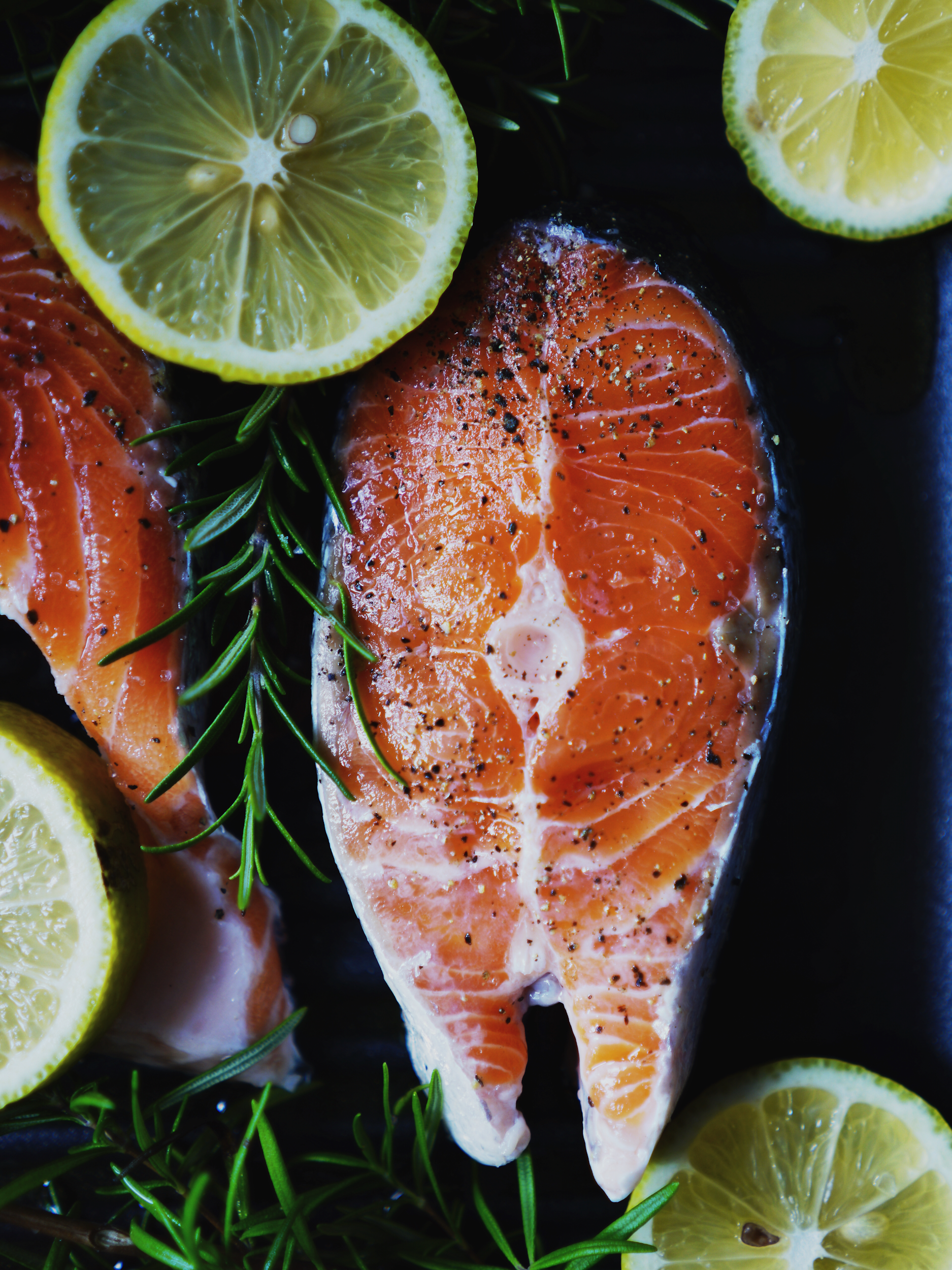
Baked Branzino with Vegetables and Lemon Dressing
Branzino:
4 Branzino fillets
2 carrots
6 cloves of garlic
Parsley
½ pint cherry tomatoes
2 golden potatoes
Olives
1 cup white wine
Olive oil
Sea salt
Black pepper
Dressing:
3 lemons (squeezed)
3 tbsp olive oil
Pinch of sea salt
1 tsp red wine vinegar
Capers
Preheat the oven to 400 degrees.
Prepare the vegetables. Start by peeling the carrots and dicing into squares. Repeat with the potatoes. Cut the cherry tomatoes and garlic cloves in half.
Acquire two baking trays. Lay out 8 12 by 8 inch pieces of tin foil. Place the fish fillets on top of each individual sheet. Pinch the short ends together to partially enclose them.
Evenly distribute the veggies and the olives into each package on top of the fish. Sprinkle sea salt and crack black pepper on top..
Add the olive oil, a dash of water, and a small amount of white wine to each fish packet.
Once each package is complete, pinch the sides over the fillet, enclosing the outer two thirds of the package. Do not cover the fish completely, leave room for evaporation.
Place the trays into the oven and let the fish and vegetables cook for approximately 75 minutes.
While the fish bakes, prepare the sauce. Simply combine the lemon juice, olive oil, vinegar, and salt. Whisk until combined.
Once the fish is cooked and the vegetables have softened, remove from the oven and plate. Save the juice that formed in the tin foil. Top with the remaining juices, a sprinkle of chopped parsley, and a dash of dressing. Serve!
