
Umami is your brain’s way of recognizing protein—and it treats it as something valuable. When you taste umami (from compounds like glutamate), receptors on your tongue send signals that something nutrient-rich has arrived. These signals travel to the brain and activate both taste processing and reward circuits, including the nucleus accumbens, giving that deep, satisfying “savory” feeling.
Unlike sweet or salty, umami is less about quick energy or balance and more about nourishment. The brain links it to amino acids—the building blocks of protein—so it often triggers a slower, more sustained sense of satisfaction rather than a quick hit. The hypothalamus also plays a role, helping interpret umami as a sign that your body is getting what it needs to repair and maintain itself.
There’s even a dual effect: when umami compounds combine with certain nucleotides (like in foods such as mushrooms, meat, or aged cheese), the signal to your brain gets amplified. That’s why broths, roasted dishes, and fermented foods can feel especially rich and comforting.
So umami isn’t just a taste—it’s your brain recognizing “this will sustain me,” and rewarding you with a deep, lasting sense of satisfaction.
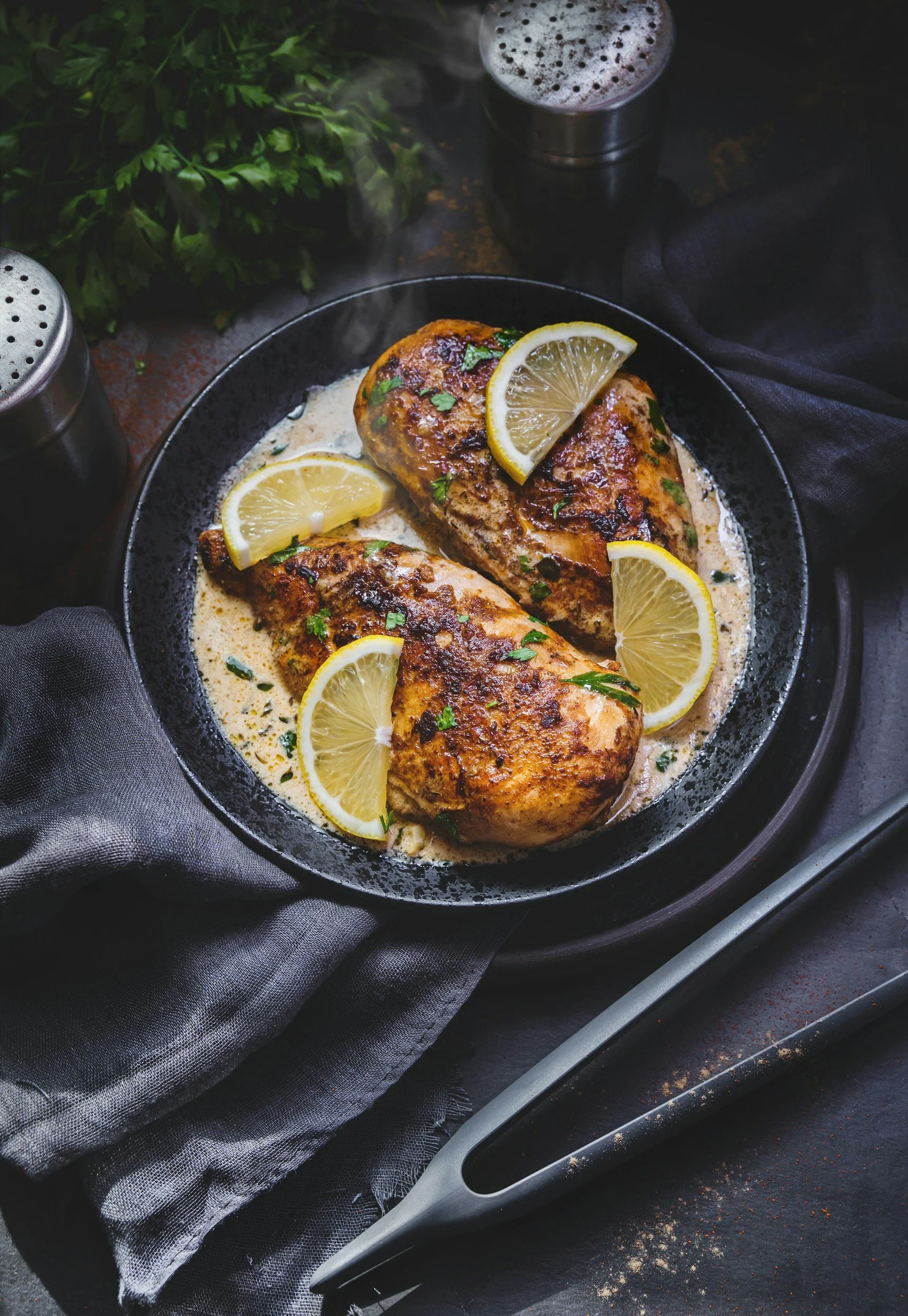
Lemon, White Wine & Parsley Chicken
8 boneless chicken thighs
1/3 cup of olive oil
1 cup of dry white wine
1/2 cup of water
2 lemons, freshly squeezed
6 whole garlic cloves
1/2 cup of fresh parsley, chopped
Salt and black pepper, to taste
1.) Arrange the chicken thighs in a deep pan. Drizzle with olive oil and season generously with salt and black pepper.
2.) Add the whole garlic cloves, white wine, water, and freshly squeezed lemon juice. Sprinkle the parsley over the chicken.
3.) Bring to a gentle simmer over medium heat, then cover and reduce the heat to low.
4.) Cook for 45–60 minutes, turning the chicken occasionally and spooning the cooking liquid over it. Add a splash of water if needed.
5.) Once the chicken is incredibly tender, uncover the pan for the last 5–10 minutes to let the sauce reduce slightly.
6.) Serve with the softened garlic cloves, fresh parsley, and plenty of the lemony, savory cooking juices.
