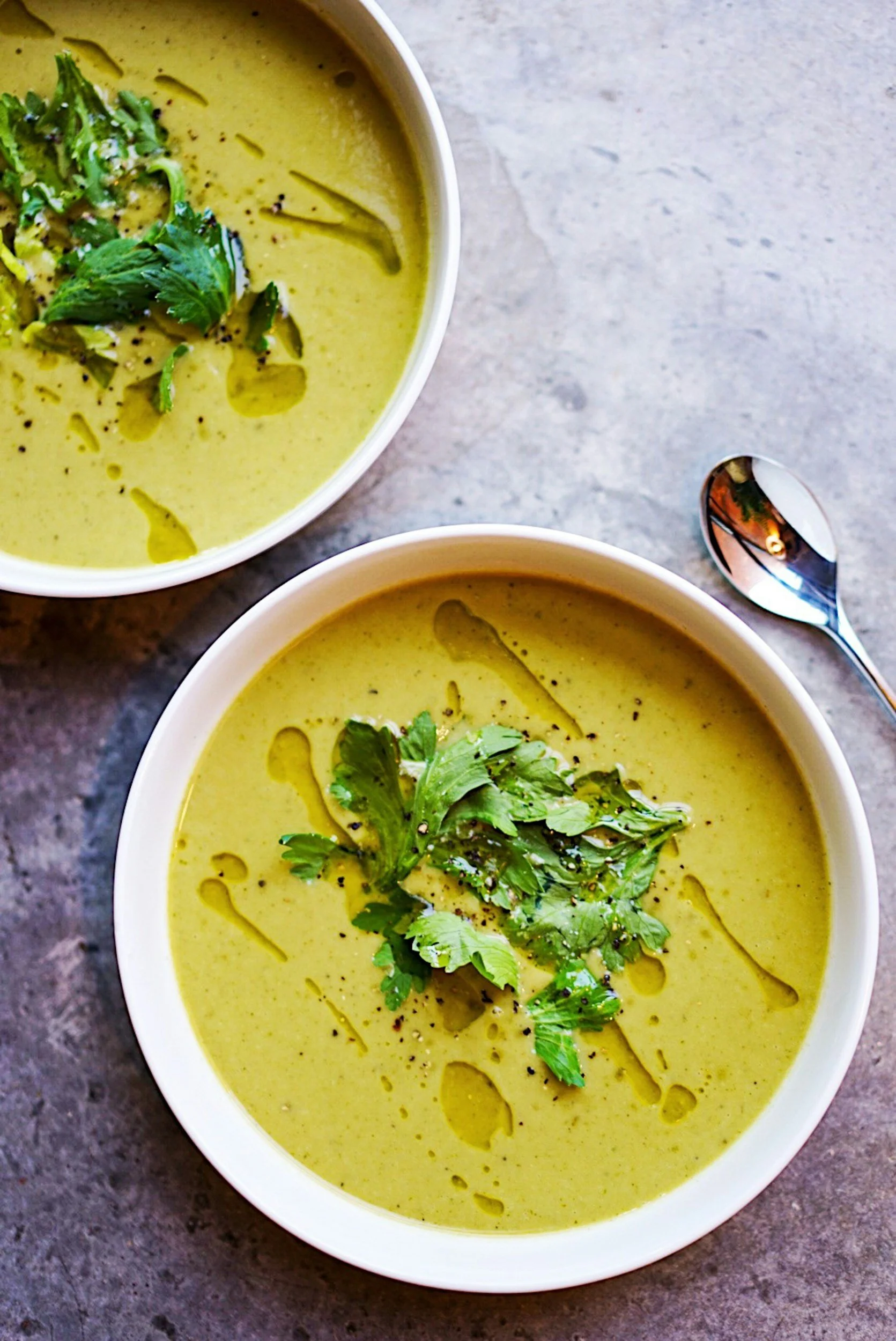
Comfort food works because it taps into both your brain’s reward system and its memory networks at the same time. When you eat something rich in sugar, fat, or carbs, your brain releases dopamine, the chemical linked to pleasure and motivation. This happens in areas like the nucleus accumbens, which reinforces the idea that “this feels good—do it again.”
At the same time, comfort foods are often tied to personal experiences, so the hippocampus (which houses memories) and amygdala (which adds meaning to memory) get involved. If a food is connected to positive memories—like family meals or childhood routines—your brain links the taste with feelings of safety and familiarity.
There’s also a calming effect. Certain foods can influence serotonin, a neurotransmitter that helps regulate mood and stress. That’s why warm, carb-heavy meals can feel especially soothing—they may help your brain shift toward a more relaxed state.
So comfort food isn’t just about flavor—it’s a mix of brain chemistry, emotional memory, and learned associations that make certain dishes feel like a reset button.
For me, that comfort dish would be Pastina (otherwise understood as ‘Italian Penicillin’). This meal can truly boost your mood, amend a fever, or simply serve as a warm hug on a cold day.
Minestrone Pastina
1 potato
2 carrots
2 zucchini
2 stick of celery
1 cup of peas
½ onion, sliced
1 handful of green beans
8 leaves of basil
6 cups of vegetable broth
4 cups of water
Parmesan cheese
Olive oil
Sea salt
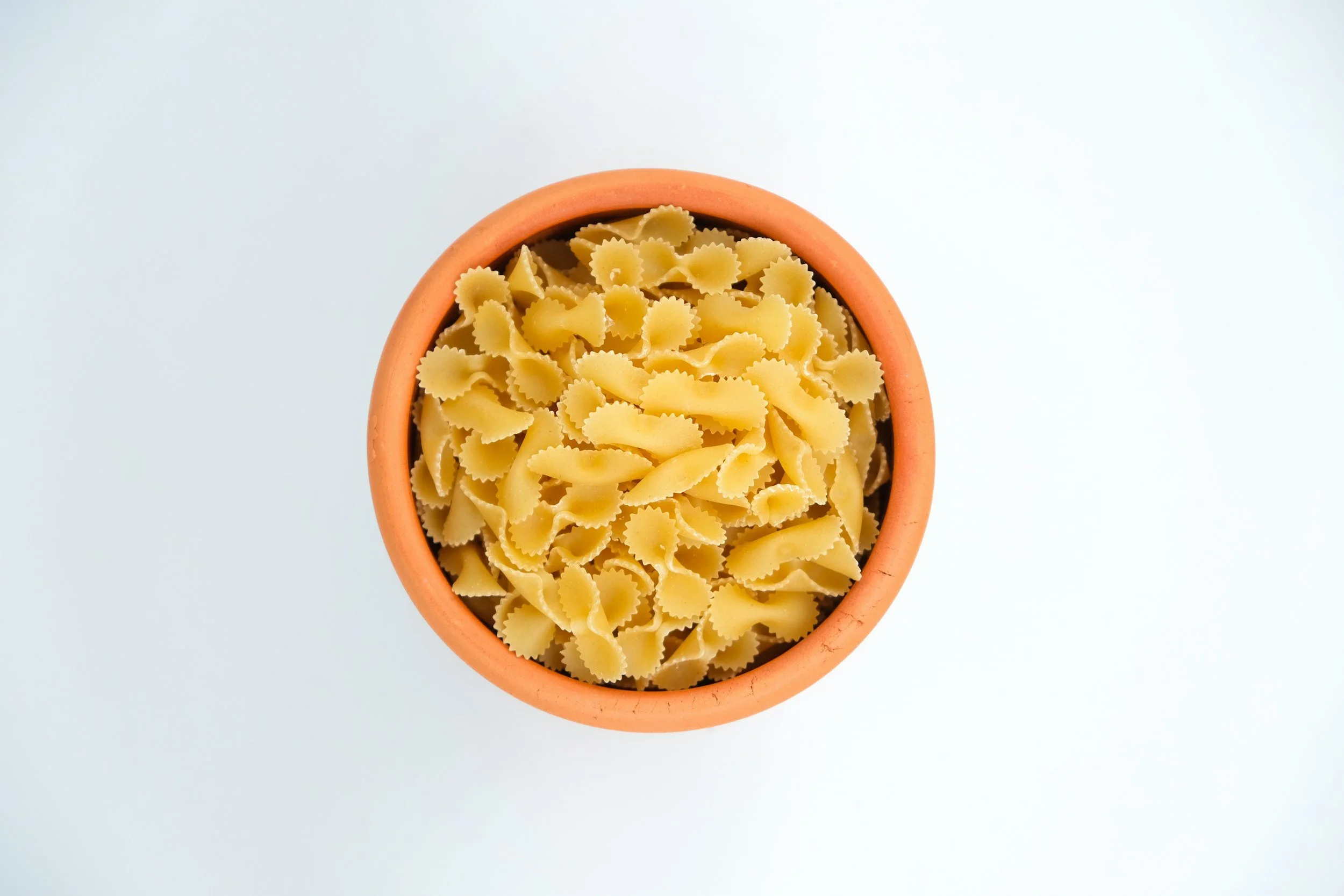
Choose a small dry pasta shape
orzo
farfalline
stelline
In a large pot, warm some olive oil and add in sliced onion. Once the onion has caramelised slightly, add in chopped celery and carrots. Let simmer on low heat.
Prepare the remainder of the vegetables. Dice the potatoes and zucchini. Add slowly pour in the liquids followed by the veggies. Put a lid on the pot and let the mixture boil for about 30 minutes (until the vegetables have softened completely). Add a heap of salt.
Once everything has softened, take it off the heat and let the soup cool.
Once cool, use an immersion blender to thoroughly combine all of the ingredients into a purée. Put it back on the heat and let it boil, consistently monitoring it and mixing it to ensure it does not stick to the bottom of the pot.
Once the mixture had come to a boil, add in the dry pastina of choice. Let cook over medium heat.
Serve with a dollop of olive oil, a fresh leaf of basil, and freshly grated Parmesan cheese. Enjoy!
